

Origin Story
Pitch? Please!
The newsletter for people who are done networking the hard way
Issue 07 · Origin Story · Week 7 of 52
A NOTE FROM ME
Every pattern we carry into professional spaces has a history.
The way you introduce yourself, the way you handle awkward silences, the way you follow up (or don't) — none of it appeared from nowhere.
It came from somewhere. Someone taught it to you, or an experience shaped it in you, or you learned it the hard way and decided you'd never feel that way again….or you didn’t realize you have been feeling a particular way until I started shedding some light on it and now you are looking around the memory files of your mind trying to suss out where it came from.
This week, we're going looking for that origin- together. Because alone can feel daunting and we can slip into shame if we, for some reason, feel it’s less desirable. Not to dwell there — but because understanding where we came from is how we get to choose where we go.
Sincerely and with Gratitude,
Jenny
THIS WEEK'S TOPIC
Here's something I believe deeply, both from my own experience, working with clients and facilitating networking gatherings: most of the ways we struggle with professional connection are not about networking at all. They're about belonging. (Remember that Brene Brown Quote from two weeks back?)
Belonging is something we started learning about long before we ever built a business, joined the workforce or handed anyone a business card.
Were you the kid who was always included or always on the outside? (Maybe you were the kid like me who was often included, but always felt a bit like the odd ball out so I didn’t really think I belonged in the group I was in.)
Did you grow up in a family where asking for help was encouraged or seen as weakness? Were you taught that self-promotion was confident or that it was arrogant? Did you ever have a professional moment that humiliated you, and quietly decided never to risk that kind of exposure again?
Looking back on my past comes up a lot in my life. I was always the more outgoing one- but it was a survival skill and a necessity more than it was something I wanted to be.
There were a lot of lessons I learned in compliance, flexibility and being easy going: if I was all those things, I wasn’t seen as difficult.
If I put my needs to the side, I was accommodating.
If I voiced my concerns or my opinion, I was considered contrary.
And on top of that- if I worked really hard to conform myself to what I thought the other person needed me to be in the relationship- they didn’t have to work so hard to be what I needed… But I was still accepted right? (My therapists have made bank on my childhood stories, let me tell you. I have gotten my money’s worth. I share this with you not for pity, but I have been meeting SO many people with nearly the same story! So I share a bit of mine so that if you see yourself in it- please know you aren’t alone.)
Our networking patterns are our relational patterns in a professional costume. The same fears, the same strategies, the same adaptations — just wearing slightly fancier clothes. Maybe. Depends if you are into the power suits and Prada pumps or not. LOL
I find this self exploration genuinely freeing, not defeating. Byron Katie calls it: Inquisition.
If the pattern has a history, it can be rewritten. Not by forcing a new behavior over the top of an old wound — that's just a different kind of performance — but by understanding the wound well enough that it no longer runs the show unconsciously.
In the style of coaching I do, this could be considered "finding the story under the strategy." The strategy is what you do — avoid the room, dominate the conversation, never follow up, always follow up but apologetically.
The story is why.
In her book Loving What Is, Byron Katie teaches a self-inquiry process called The Work — the idea that beneath every struggle, strategy, or stuck pattern is an unexamined story (a belief we're holding as truth). Before we can change what we do, we have to question what we believe.
As Katie puts it: "I discovered that when I believed my thoughts, I suffered, but when I questioned them, I didn't suffer."
This is what we mean by finding the story under the strategy.
And the why is where the real change lives.
THIS WEEK'S PRACTICE
Trace the thread
Go get your journal out! This is a gentle excavation. Give yourself 15–20 minutes with these questions — go slowly, and be kind to yourself with what you find:
1. What is my earliest memory of feeling like I did or didn't fit in a group setting?
2. Growing up, what messages did I receive — directly or indirectly — about self-promotion, asking for help, or being seen?
3. Is there a professional experience that left a mark on how I show up in networking situations? What happened, and what did I decide about myself after?
4. If I could tell my younger self one thing about belonging — what would it be?
You don't have to share this with anyone. But writing it down matters. The act of articulating the story is the beginning of no longer being run by it.
GUEST SPOTLIGHT
Meet Jennifer Collymore: Founder of Talent Bridge LLC and is a person who leads with love to help people find their fit.
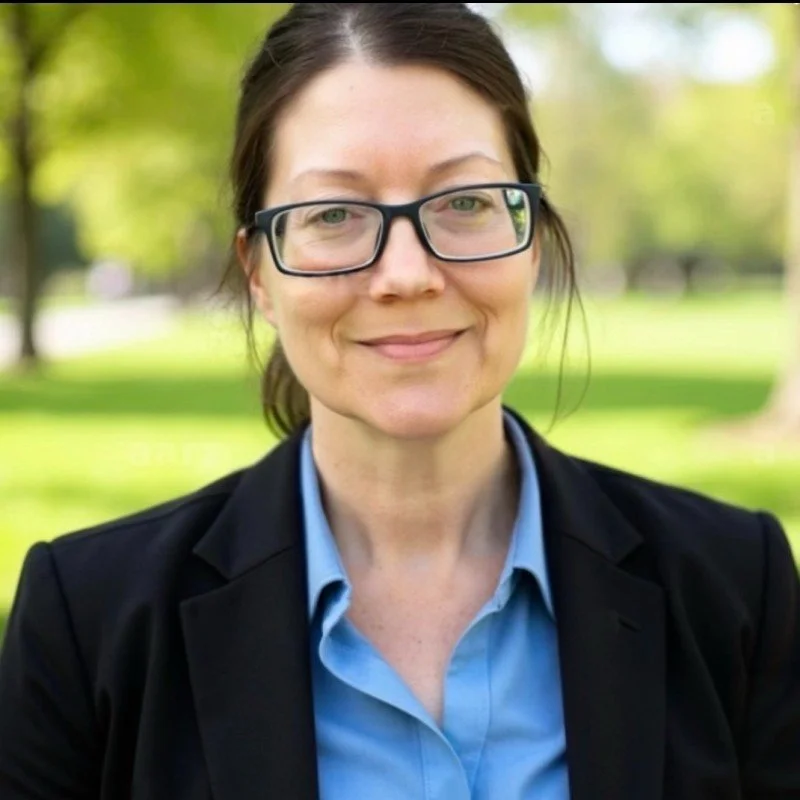
Meet Jennifer Collymore
Hi! I’m Jennifer Collymore, a I like to think of myself as an empathetic leader in the industry. I own my own business called Talent Bridge, and I bring recruitment and talent acquisition together for solo and entrepreneurs — mostly ambitious women. Being a leader for many years myself, I understand the challenges and how to navigate through that. I feel like I can bring that level of expertise.
Basically, what I do is help people find their fit. I figure out what it is in life that they've decided they want, where they want to be. Life takes us to where we should be, and sometimes we just need help figuring out a match for that. Whether you own your own business and need to find talent for your growth, or whether you're looking for your own fit out there in the entrepreneur or business world — I take the two and match them.
I really focus on soft skills and culture fits more than accreditations. Lots of companies just look at your resume, and that's not what I do at all. We have really thoughtful, in-depth conversations about your fit. We want it to be a lasting relationship built on connection.
What lights me up is people being kind to people. I have kind of a philosophy — I lead with love. I lead my personal life with love, I lead my professional life with love, and I feel like if you lead with love, you can really never go wrong.
I've had lots of people in my past career life tell me: "Even though you fired me, it was the best thing that ever happened to me. Even though you told me I wasn't fit for this role, you helped me find the role that I became so happy with." I feel like you can be direct and help people, and it doesn't have to be an unkind thing.
What brought me to Pitch? Please! is that I really need to find my voice so that I can get my message out there. I need to find that origin story so that it relates to people so that I can help them. Right now, I know what I can bring to the table, but how I articulate that and how I network that with women in the community — I really need help with that.
What's a formative experience that shaped how you approach professional relationships today?
Because I don't have a degree — I never finished college — I started and became pregnant and focused on being a mom. After one child I had another, and I just never went back. I found my way into a nice career, and I enjoyed where I landed. However, I didn't enjoy the way people made me feel about entering the business world, the corporate world.
"I'm gonna give you a shot… even though you don't have your degree." "I'm gonna put you at the bottom entry level, because you don't have your degree."
Those things really shaped how I looked at myself in my industry. And it made me want to work harder, because I did want to prove to people that you didn't need a degree to actually be really good at what you do.
Yes, there is a lot to be said for putting yourself through college and getting your degree. But if you don't have that opportunity, or you weren't able to finish that opportunity, it shouldn't mean that you're less than. And so that really shaped kind of me wanting to make sure that I built my leadership on giving people that opportunity — because they deserve the opportunity regardless of their background.
What do you wish more people knew about what you do?
I really wish I could convey that no matter what our business, industry, or focus is, the foundation should be built on connections. On relationships with people. And that trust that you build, and that community that you build — that is how we succeed.
I wish that people knew — not just with me, but in general — that it's the connections that you build in life that really get your soul fed. And when your soul's fed, and those connections are built, and that people network is built, that's when great things happen.
How can people in the group connect with or support you?
My website is not quite live yet, but people can search for Talent Bridge LLC on LinkedIn or email me at jenniferacollymore@yahoo.com
Would you like to be next week’s feature?
BEFORE YOU GO
If this week's questions brought something up that feels bigger than a journal entry can hold, please don’t let it bury you. Reach out to me and I can help you smooth out the wrinkles.
Chat with me over on VOXER or reply to this email and tell me what’s landing with you.
See you next week. Take good care of yourself in every room you walk into.
— Jenny